Learn / Production
Production · 10 min readPrint techniques for clothing: screen print, DTG, DTF, puff and more
Which print method to choose for your clothing brand, with photos, costs, minimums and durability compared.
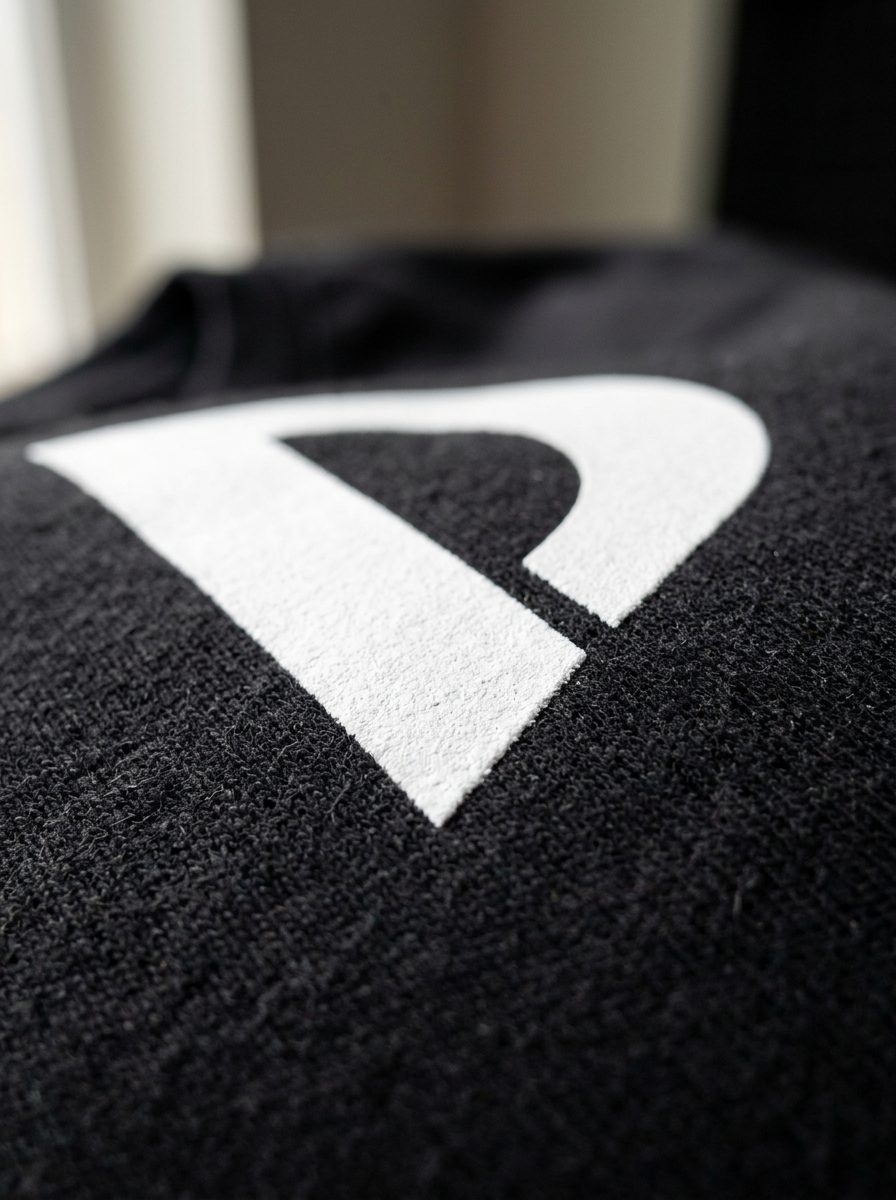
The print method changes how your design looks, feels, lasts and what it costs. Here's every option you'll be offered, compared honestly.
Quick comparison
| Method | Best for | Minimum | Cost per piece | Feel | Durability |
|---|---|---|---|---|---|
| Screen print | Bold graphics, 1–6 colours | ~25–50 | Low at volume | Ink on top | Excellent |
| DTG | Full-colour, photos | 1 | Medium | Soft, in the fabric | Good |
| DTF | Full-colour on any fabric | 1 | Low–medium | Thin film | Good |
| Puff print | Raised 3D effect | ~25–50 | Medium | Raised, rubbery | Good |
| Discharge | Vintage look on dark cotton | ~25–50 | Medium | Super soft | Excellent |
| Water-based | Soft, breathable prints | ~25–50 | Medium | Soft | Very good |
Screen printing
Ink is pushed through a mesh screen, one screen per colour. The industry standard for streetwear.
- Pros: vivid, durable, cheap at volume.
- Cons: setup cost per colour, so small runs are expensive. Gradients are limited.
- Ask for: Pantone matching, number of colours, plastisol or water-based.
DTG (direct to garment)
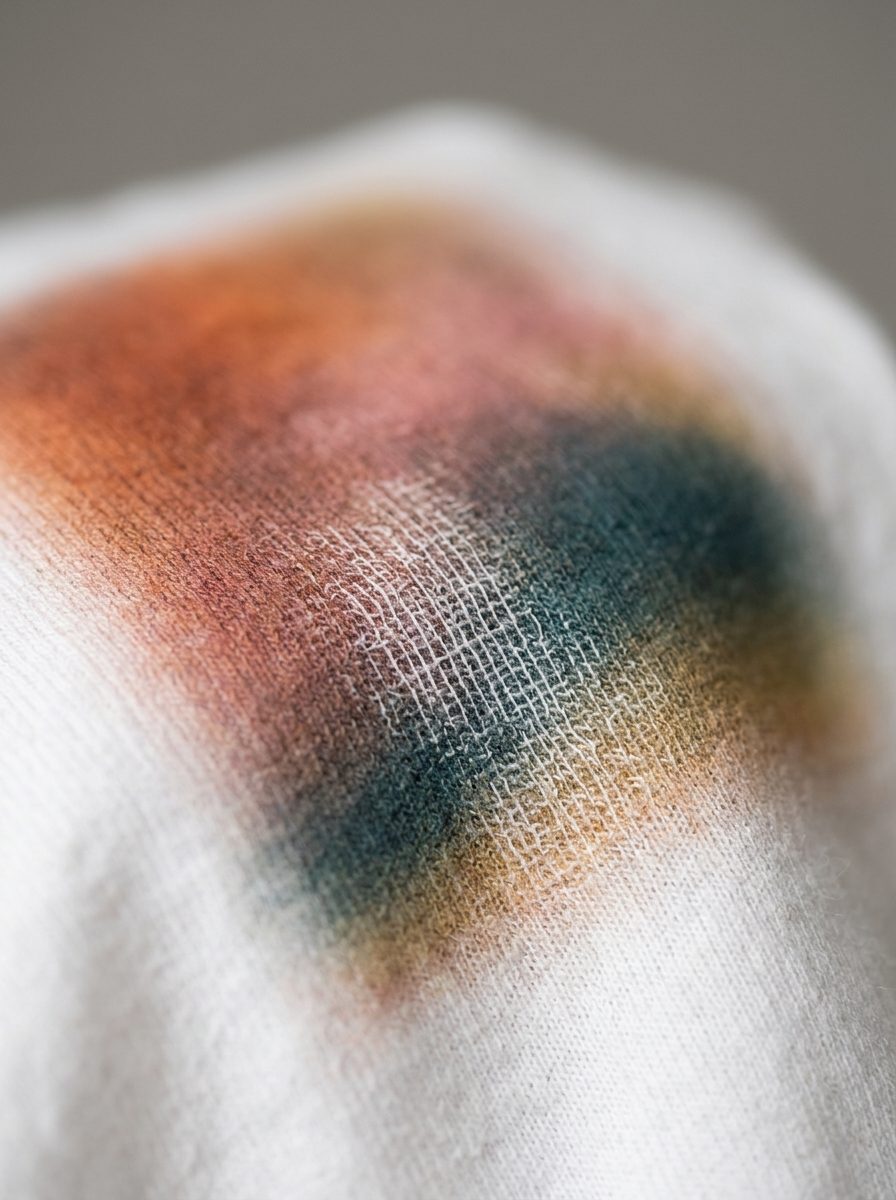
An inkjet printer prints straight onto the fabric. Unlimited colours, no setup.
- Pros: photos and gradients, no minimum, soft.
- Cons: less vibrant on dark garments, best on 100% cotton.
DTF (direct to film)
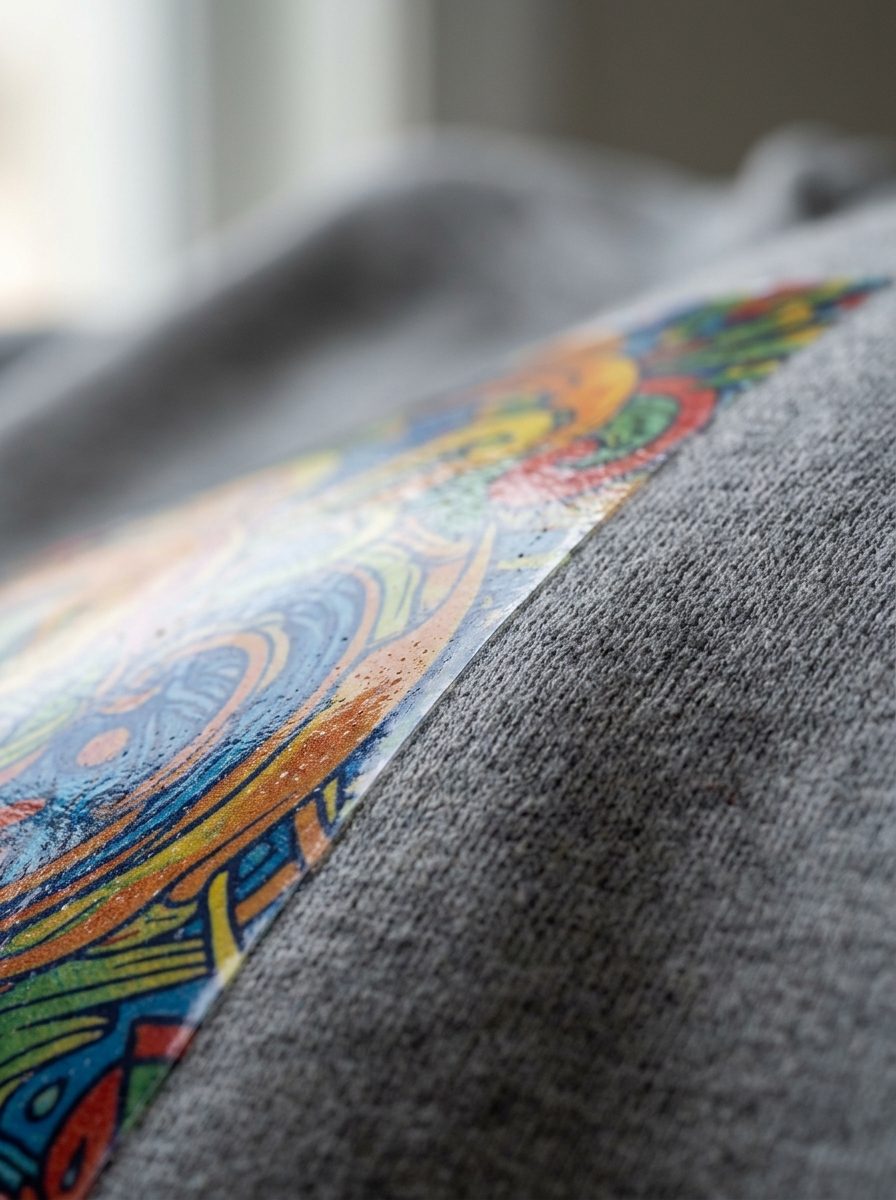
The design is printed on film, then heat-pressed onto the garment.
- Pros: full colour on almost any fabric, sharp detail, no minimum.
- Cons: a thin film layer you can feel; can crack on large areas.
Puff print
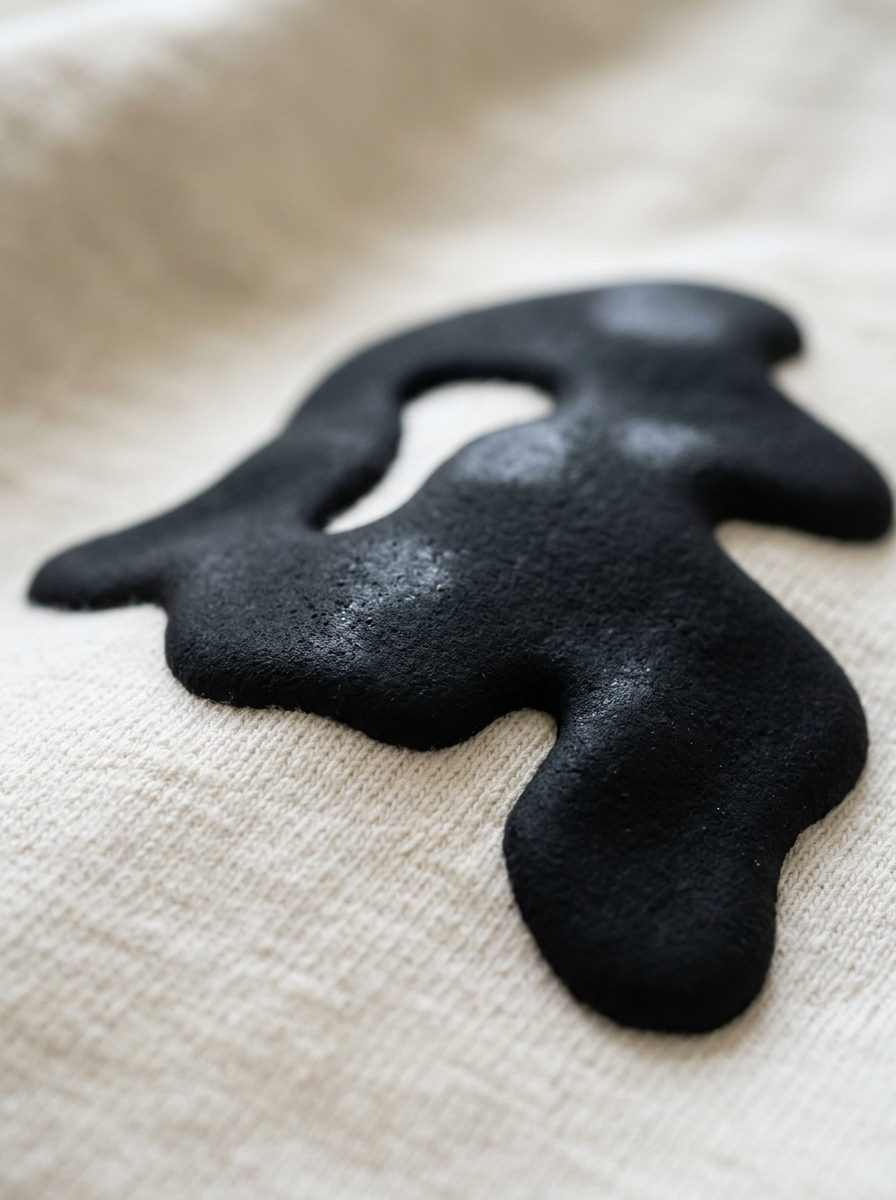
A screen print with an additive that expands under heat, creating a raised, 3D effect.
- Pros: instantly premium, very popular in streetwear.
- Cons: fine details fill in. Keep lines at least 1.5–2 mm thick.
Discharge printing
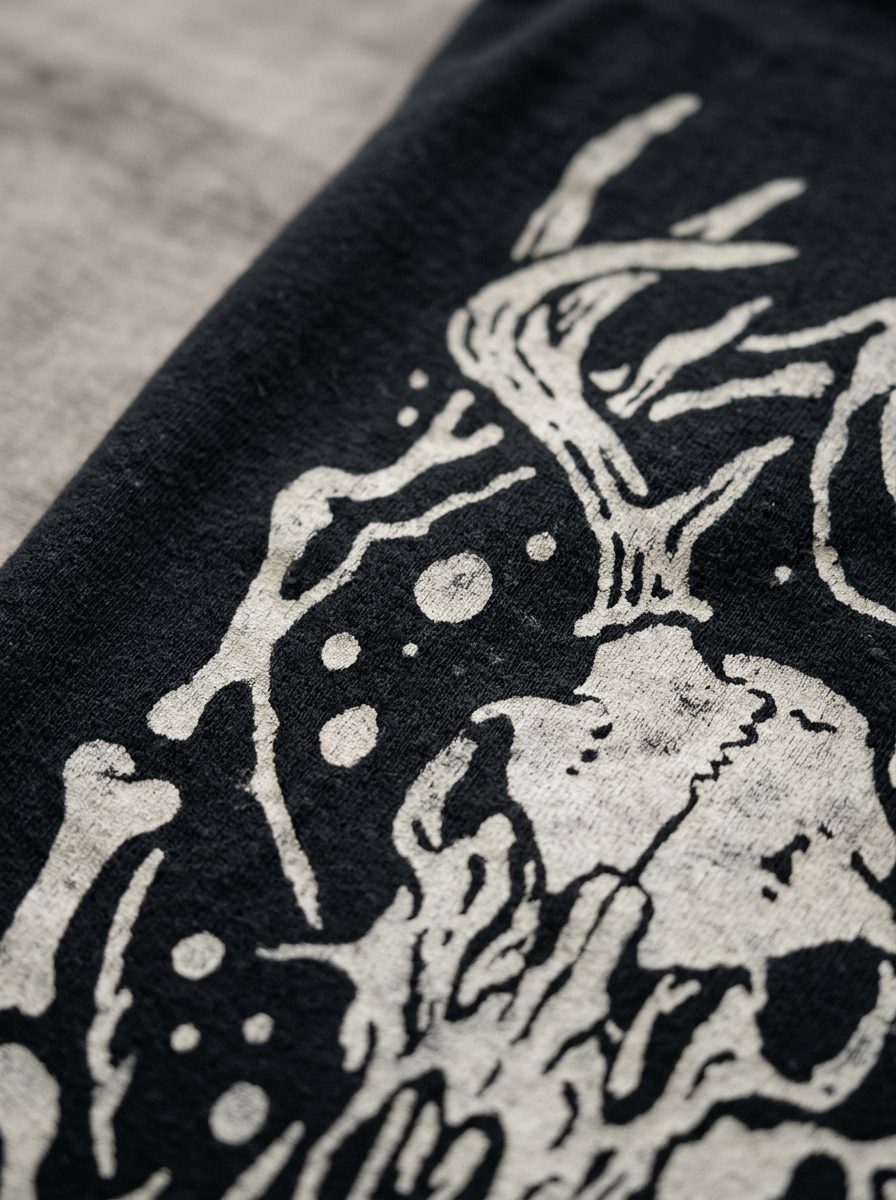
The ink removes the dye from the fabric instead of sitting on top, giving a soft, vintage result.
- Pros: zero hand-feel, perfect vintage look.
- Cons: only works on 100% cotton dyed with dischargeable dyes; colours vary slightly. Always test first.
Water-based vs plastisol
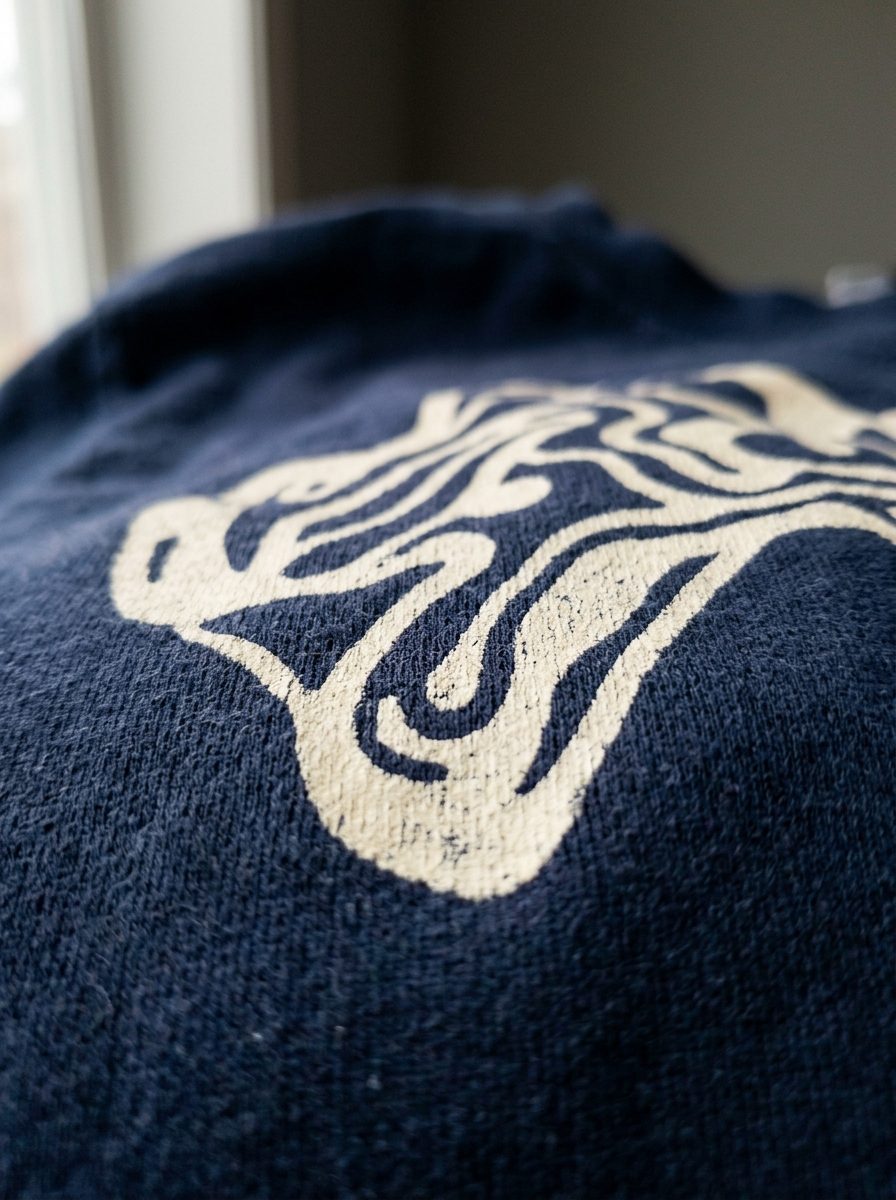
Plastisol sits on top, is bright and durable, but feels heavier. Water-based soaks into the fabric, feels soft and breathable, and looks slightly faded on dark garments.
How to choose
- Small test run or full-colour artwork? DTG or DTF.
- Bold 1–3 colour logo, 50+ pieces? Screen print.
- Want the premium raised look? Puff print or 3D embroidery.
- Vintage feel on dark cotton? Discharge or water-based.
Tip: always order a strike-off (one test print on your actual garment) before bulk.
Learn the stitch-based alternative in our embroidery guide.
See what a factory-ready tech pack looks like
Download our complete boxy tee tech pack for free: flats, specs, graded measurements and an editable Excel.